.png)
Stroke: Warning Signs, Prevention, and the Road to Recovery
Neurological symptoms can affect daily life in many ways, from headaches and dizziness to seizures, tremors, weakness, memory changes, or nerve pain. Understanding these symptoms early and receiving proper medical evaluation is important for accurate diagnosis, effective treatment, and better long-term health.
Stroke: Warning Signs, Prevention, and the Road to Recovery
A stroke is a medical emergency that can suddenly change a person’s ability to speak, move, and manage everyday life. Recognizing the warning signs and getting urgent medical care are essential steps towards limiting its impact.
What is a stroke?
There are two main types. An ischaemic stroke occurs when a blocked blood vessel interrupts blood flow to part of the brain. A hemorrhagic stroke occurs when a blood vessel ruptures, causing bleeding in or around the brain. Treatment depends on the type of stroke.
Recognize the signs and act quickly
Symptoms usually begin suddenly and may include:
-
Drooping on one side of the face.
-
Weakness or numbness in an arm or one side of the body.
-
Difficulty speaking or understanding speech.
-
Changes in vision, loss of balance, or a sudden severe headache.
If you suspect a stroke, call an ambulance immediately. Do not wait for symptoms to improve. Symptoms that disappear still need urgent assessment: they could indicate a transient ischaemic attack (TIA).
How can you reduce your risk?
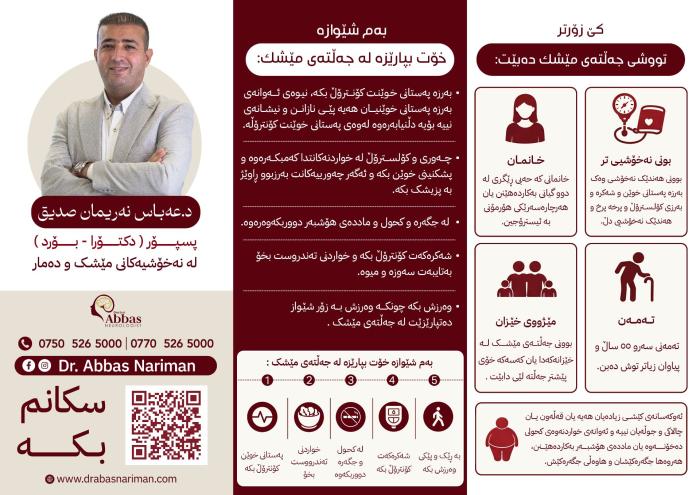
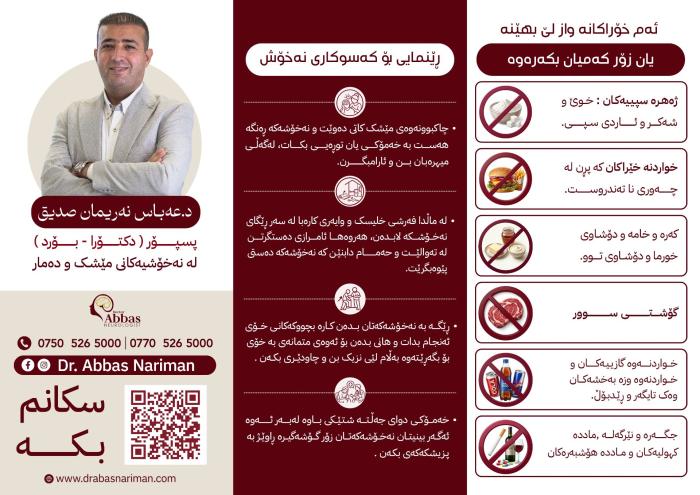
Managing blood pressure, diabetes, and cholesterol can help reduce stroke risk. Stopping smoking, eating a balanced diet, and staying physically active also matter. Take prescribed medicines as directed and discuss any changes with your doctor.
Life after a stroke
Recovery varies between individuals. Rehabilitation may include physiotherapy, practice with everyday activities, and support for speech and swallowing. A personalized program helps patients work towards goals suited to their needs and abilities.
Families can support recovery through patience, encouragement, and a safer home environment. Recovery takes time, but small, consistent steps can make a meaningful difference.